
Building a backup child care plan before you actually need one
By Marcus Beck · Updated 2026-07-30
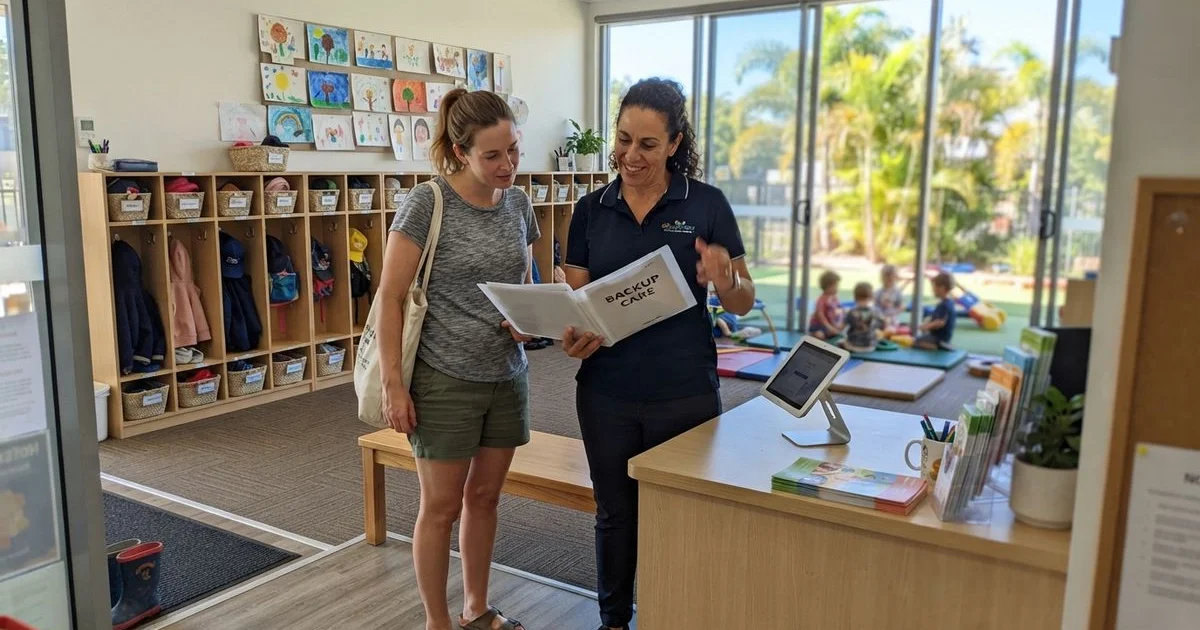
Every family’s regular child care arrangement falls through at some point: a sick educator, a centre closure, or your own roster changing at short notice. Having a backup plan sorted before that day arrives is the difference between a stressful morning and a genuinely manageable one.
Why “I’ll figure it out if it happens” doesn’t work
The problem with waiting until your regular arrangement actually falls through is that you’re then trying to find and vet a solution under time pressure, on a day you probably also need to be somewhere. A backup plan built in advance means you’re choosing calmly rather than grabbing whatever’s available at short notice.
The realistic backup options
| Option | Best for | Watch out for |
|---|---|---|
| A family member or close friend | Genuine last-minute cover, no cost | Not always available, and relies on goodwill |
| A trusted babysitter or nanny agency | Reliable short-notice bookings for a fee | Best set up as a standing relationship, not found cold on the day |
| Occasional and casual care | Planned short-notice bookings if confirmed in advance | Availability isn’t guaranteed same-day at every provider |
| A shared arrangement with another family | Free, reciprocal cover | Needs a genuinely reliable, aligned family to work well |
Setting it up properly, not just in theory
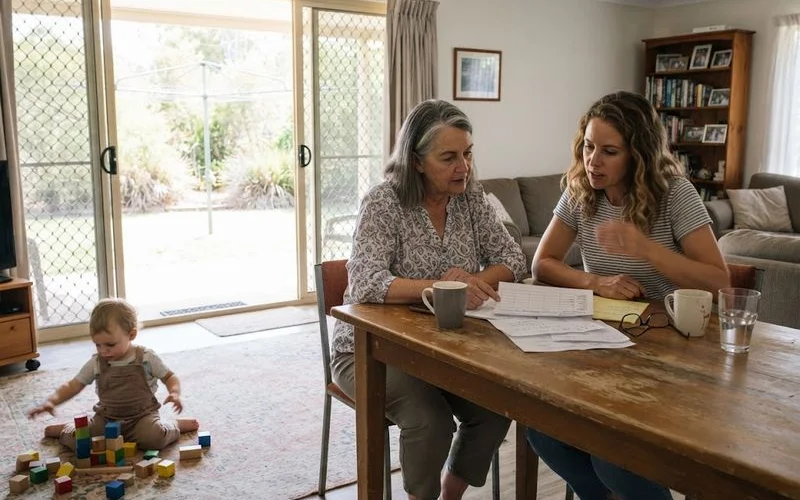
A backup plan only works if it’s actually usable on the day, which means doing the setup work ahead of time: confirming a family member’s real availability rather than assuming, registering with a babysitting or nanny agency before you need them urgently, or asking an occasional care service directly whether they can take short-notice bookings and how that process works.
What to have ready for whoever steps in
Whoever your backup carer is, they’ll do a better job with a small amount of information ready in advance rather than a rushed explanation on the morning: your child’s routine, any allergies or medical needs, comfort items, and emergency contacts. Keeping this written down somewhere easy to hand over, rather than only in your head, saves a scramble exactly when you have the least time to spare.
Layering more than one option
A single backup contact is really just a hope rather than a plan, since that one person may not be available on the specific day you need them. Having a second option, even one you use rarely, means one unavailable backup doesn’t turn into no care at all.
Reviewing your plan once a year
Circumstances change quickly with young children: a backup carer who worked when your child was a baby might not have the same availability or comfort level with an active toddler, and a shared arrangement with another family can quietly fall away once one family’s roster shifts. A quick yearly check-in with your backup contacts, confirming they’re still willing and able, keeps the plan genuinely usable rather than one you assume is still in place.
Budgeting for backup care without overthinking it
A backup arrangement doesn’t need its own large budget line, but it’s worth knowing roughly what a short-notice booking with an agency or casual service costs before you need it, rather than discovering the rate on the day. If cost is a genuine concern, a reciprocal arrangement with another family, where you cover each other’s gaps in turn, can bring the ongoing cost down to close to nothing, provided both families are equally reliable about holding up their end of it.
When to lean on your regular provider instead
Some centres offer emergency or same-day care themselves for existing enrolled families, which is worth asking about directly rather than assuming your only options sit outside your regular provider. If that’s available to you, it can be the simplest first call before working through your personal backup list.
Our methodology explains how we score Gold Coast providers, including how consistently they communicate, which matters as much for a backup arrangement as a regular one. Start from the Gold Coast Child Care Guide home page to browse rated options.
Common questions
- How many backup options should I actually have?
- Two is a reasonable minimum: one person or service you can call at short notice, and a second if the first isn't available. A single backup option is really just a hope, not a plan.
- Should I set up a backup arrangement even if my regular care rarely falls through?
- Yes. The value of a backup plan is precisely that it sits unused most of the time and is ready on the day you actually need it, rather than something you scramble to build in the moment.
- Is occasional or casual care a good backup option?
- It can be, provided you've confirmed with the provider in advance that they'll take short-notice bookings, since not all occasional care services guarantee same-day or next-day availability.
- What should I tell a backup carer about my child in advance?
- Routine, allergies, comfort items, and any medical needs, ideally written down somewhere accessible rather than relayed verbally on the morning you actually need them, when you're already stretched for time.