
Starting kindergarten on the Gold Coast: getting your child ready for the move to school
By Marcus Beck · Updated 2026-07-14
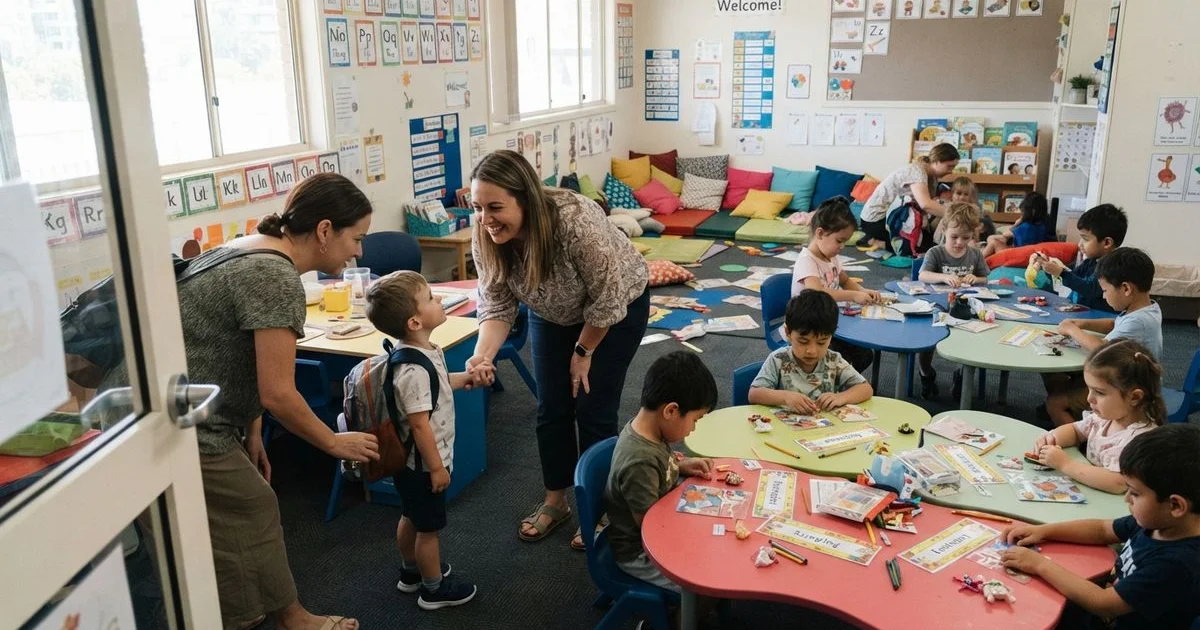
Moving into a kindergarten or preschool program is a different kind of transition to starting long day care as a baby. Children are older, the program is more structured around school-readiness, and for a lot of Gold Coast families it’s the first time “which school will they go to” starts entering the conversation too. Here’s what actually changes, and a practical timeline for getting ready.
What’s different about a kindergarten program
Kindergarten programs on the Gold Coast are built around Queensland’s approved kindergarten curriculum, which leans more heavily into structured pre-literacy, pre-numeracy, and social skill-building than a general long day care room does. Sessions are also often shorter or term-based rather than a standard five-day full-day enrolment, so it’s worth confirming upfront whether a program runs across the standard school term dates or year-round.
Some Gold Coast kindergartens operate as their own dedicated service, while others sit inside a broader early learning centre as a distinct room or program for the pre-school year. Both are legitimate, but they can have different hours, holiday closures, and fee structures, so don’t assume they’re interchangeable when comparing two providers.
A rough timeline for getting ready
| Timing | What to do |
|---|---|
| 2-3 terms before | Start shortlisting kindergarten programs and ask about waitlists, since popular services fill up early |
| 1-2 terms before | Confirm enrolment, ask about any transition or orientation visits offered, and flag any additional support needs |
| The term before | Attend orientation sessions if offered, and start talking about kindergarten at home in simple, positive terms |
| The first few weeks | Expect some settling-in even if your child previously attended long day care, since a new room, routine, and educators still takes adjustment |
Building independence before day one
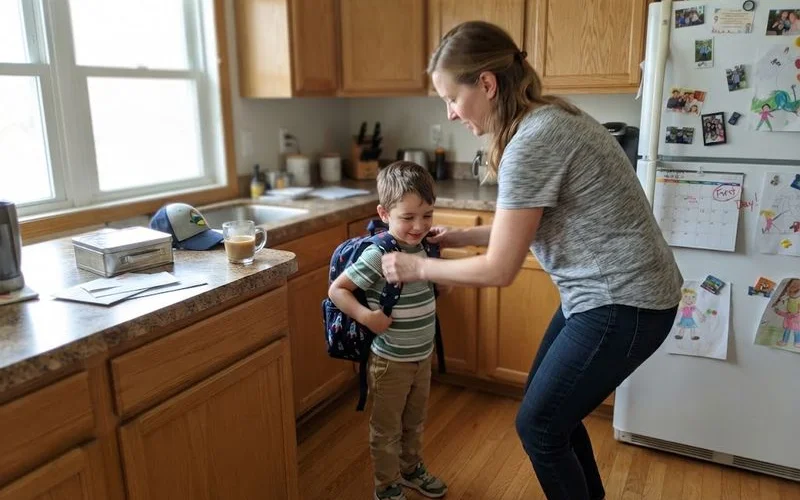
The single biggest thing that eases a kindergarten start isn’t academic preparation, it’s practical independence: putting on shoes, managing a lunchbox, using the toilet without help, and following two-step instructions. Practising these at home in the weeks before the start date does more for a smooth transition than flashcards or workbooks.
What to ask a prospective kindergarten
Beyond the usual questions about hours, fees, and CCS eligibility, it’s worth asking specifically:
- How the program prepares children for the following year of school (routines, literacy and numeracy exposure, social skills)
- What a typical day looks like, hour by hour
- How they communicate progress: written reports, parent-teacher chats, or an app
- What their approach is if a child needs extra time or support to settle
A service that answers these clearly and specifically, rather than in general marketing language, is usually a good sign of how it will handle your child once enrolled.
Common worries parents raise, and what usually helps
Two concerns come up more than any others. The first is whether a child is “behind” compared with peers, which is rarely something to act on before the year even starts; most kindergarten educators would rather see a child settle happily than arrive already drilled on letters and numbers. The second is separation anxiety resurfacing even in children who were previously fine at long day care, which is common simply because the room, the faces, and the routine are all new again. Both tend to ease within the first few weeks once a predictable routine sets in.
It also helps to keep the goodbye at drop-off short and consistent, the same way it does for younger children starting long day care. A drawn-out goodbye, however well-intentioned, usually makes the moment harder for both of you rather than easier.
If your child needs a slower transition
Some children need more than the standard orientation to settle into a bigger, more structured room. If that’s your situation, raise it early rather than waiting until problems show up, since most kindergartens can adjust the pace of a transition (shorter days at first, a support worker, or extra visits) if they know your child’s needs in advance. It also helps to have cover sorted for the odd rough morning while the transition beds in; our backup child care plan guide covers how to put that in place before you need it.
To compare rated kindergarten and preschool programs across the Gold Coast, see how our methodology scores providers on communication and consistency, or start from the Gold Coast Child Care Guide home page to browse by suburb.
Common questions
- What age does kindergarten start on the Gold Coast?
- Most kindergarten programs are aimed at children in the year before school, typically age four turning five, though some services also run a younger preschool or pre-kindy group for three-year-olds.
- Is kindergarten the same as long day care?
- Not always. Some kindergarten programs run as a standalone service with shorter hours, while others operate inside a long day care centre as a structured program within the day. Ask a provider which model they use before comparing hours and fees.
- How do I know if my child is ready to start?
- Readiness is more about routine and independence than age alone: following simple instructions, managing toileting independently, and coping with short separations are better signals than the calendar date.
- What happens if my child needs extra support to start kindergarten?
- Talk to the service early, ideally a term or two before the start date, since funding and planning for additional support usually needs lead time to be in place from day one.