
What child care really costs on the Gold Coast (and what changes the price)
By Marcus Beck · Updated 2026-07-11
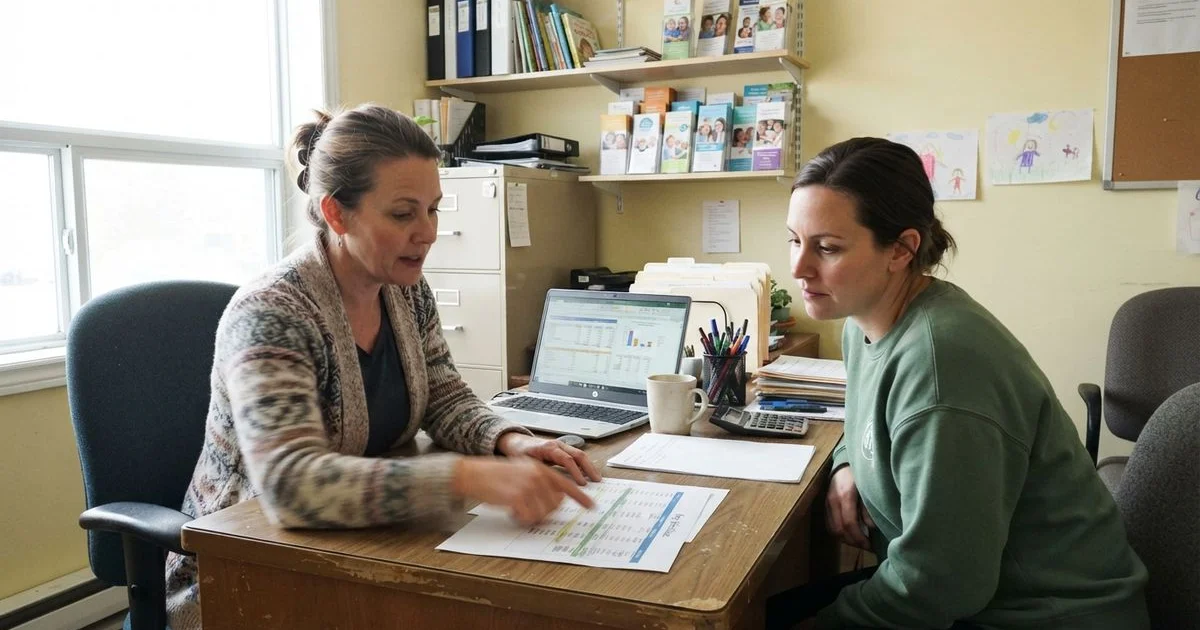
Cost is usually the first real hurdle for Gold Coast families weighing up child care, and it is also the hardest thing to compare fairly, since headline fees rarely include the same things from one provider to the next. Here is what actually moves the price, and how the main care types stack up against each other before any subsidy is applied.
What drives the price up or down
A handful of factors explain most of the difference between one quote and another:
- Care type. Long day care and nanny or babysitting services generally run at the higher end, while before and after school care sessions and kindergarten programs are usually the cheaper end of the scale, since they cover fewer hours per day.
- Age of your child. Baby and toddler rooms cost more because regulations require a higher ratio of educators to children at younger ages, which means more staff wages spread across fewer kids.
- Days and hours booked. Casual or occasional bookings often carry a premium per session compared with a permanent enrolment on the same days each week.
- Location and facilities. Newer centres, on-site chefs, and enrichment programs (swimming, bush kindy, structured curriculum extras) tend to sit at the top of the price range.
- Time of care. Evening, overnight, or weekend bookings, mostly relevant for nannies and babysitters, usually cost more per hour than standard daytime care.
How the main care types compare
The table below ranks Gold Coast care types from lowest to highest typical cost, based on the relative pricing pattern across the market rather than a fixed dollar figure, since actual fees vary by provider and change over time.
| Care type | Relative cost tier | Why |
|---|---|---|
| Before & after school care | Lowest | Short sessions, no meal or nap program to staff |
| Kindergarten & preschool programs | Low-mid | Shorter days, older age group needs a lower staff ratio |
| Family day care | Mid | Small group, home-based setting, fewer overheads than a large centre |
| Long day care | Mid-high | Full-day program, meals, and the highest ratio requirements for babies and toddlers |
| Occasional & casual care | Mid-high | Premium per-session rate for flexibility and short notice |
| Nanny / babysitter | Highest | One-on-one or small-group care, hourly rate scales with hours and time of day |
Treat this as a starting point for comparing shapes of cost, not a promise of what any one provider will quote you. Always ask a shortlisted provider for their current fee schedule and what it does and doesn’t include.
Where the subsidy changes the picture
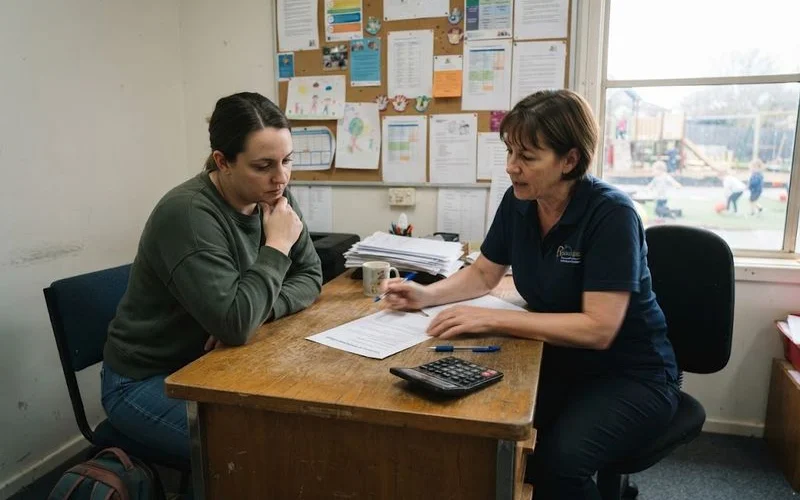
The Child Care Subsidy (CCS) is the biggest lever most families have over their actual out-of-pocket cost, and it can bring a high headline fee down to something closer to a mid-range one depending on income and the hours of approved activity (work, study, or job seeking) each parent does. It applies across most of the care types above, provided the service is an approved provider. Because the subsidy calculation depends on your specific income and activity hours, the only reliable way to know your real weekly cost is to run your numbers through Services Australia or ask a provider to estimate it for your circumstances, since a generic average would be misleading.
Getting an apples-to-apples comparison
When you are comparing two or three providers, ask each one for the same three numbers: the daily or hourly fee, what is included (meals, nappies, excursions), and their CCS-approved status. Providers that hesitate to give you all three in writing are worth treating with a bit of caution.
It also pays to ask what happens on public holidays and during closures over Christmas, since some centres still charge the full fee on days they’re shut, while others credit or waive it. This rarely shows up on a rate card, but it can add up over a year, so it’s worth a direct question before you sign an enrolment agreement rather than finding out from the first invoice.
To see how Gold Coast providers stack up on more than just price, our methodology explains how we score centres on communication, consistency, and verified reviews, and the Gold Coast Child Care Guide home page lets you browse rated options by care type and suburb.
Common questions
- Why do quotes from two long day care centres near each other differ so much?
- Fees reflect the centre's overheads as much as the suburb: educator-to-child ratios above the legal minimum, on-site chefs, and newer facilities all push the daily rate up, while smaller or older services often charge less for a similar program.
- Is a more expensive centre automatically better?
- Not necessarily. Price is a weak proxy for quality on its own. Staff turnover, communication, and how a service handles settling-in matter more day to day than whether the fee is a few dollars higher or lower.
- Does the fee change as my child gets older?
- Usually, yes. Baby and toddler rooms cost more per day because ratios require more staff per child, while kindergarten-age rooms are often cheaper to run and priced slightly lower.
- Are there extra costs on top of the daily fee?
- Some centres charge separately for excursions, nappies, or formula, while others bundle everything in. Ask for a full breakdown before enrolling so the headline fee isn't a surprise once the first invoice arrives.